
Ghana’s New SIM Registration System Could Block Your Phone and Digital Life — Here’s How
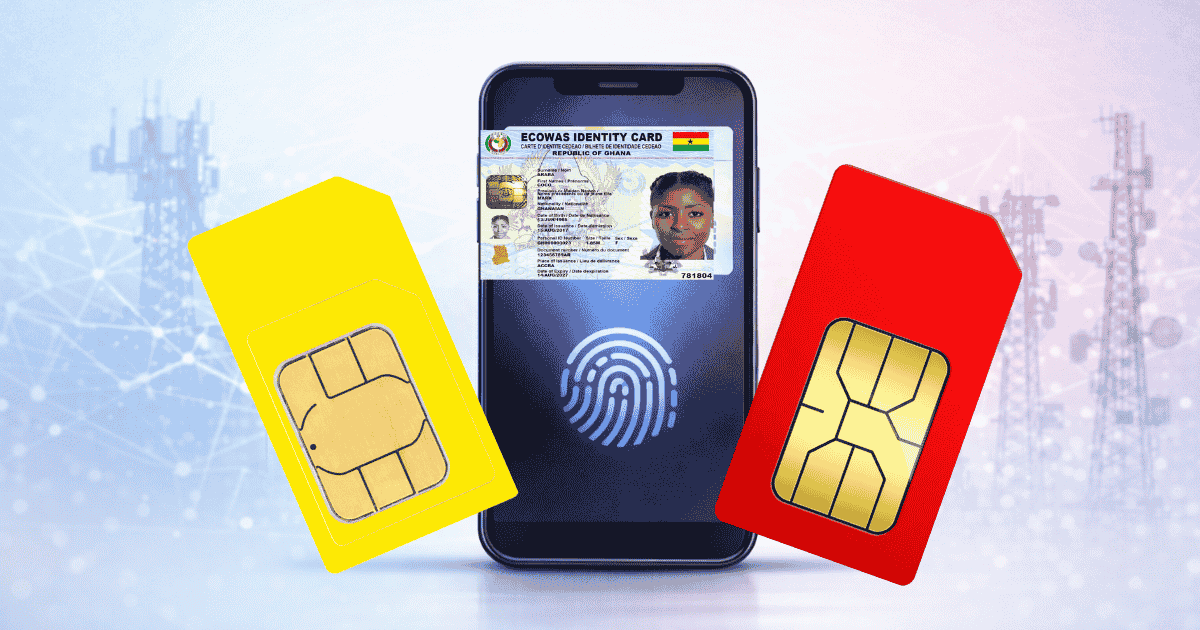
In recent days, the updated SIM registration system has attracted widespread attention, particularly for its role in tackling mobile money fraud. However, beyond the headlines, the system introduces a deeper shift in how SIM cards, mobile devices, and user identities are connected.
At its core, the new approach links your SIM not only to your Ghana Card but also to your device, creating a more tightly controlled digital identity framework. In certain situations, this connection can have far-reaching consequences for users.
What Has Changed
Under the new system, SIM registration goes beyond basic identification. Users are required to verify their Ghana Card details, after which their biometric data specifically facial recognition is matched with records from the national database. Once this process is completed, the SIM card is linked to the phone being used, through its IMEI.
As the minister explained in a discussion on TV3, “we match your SIM card, your Ghana Card and your phone IMEI… in one system.” This integration allows authorities to track usage more accurately and respond quickly to suspicious activity.
You Can Still Change Phones But There’s a Catch
It is important to note that users are not restricted to a single device. You can still move your SIM card to another phone or upgrade your device at any time. However, the system keeps track of the devices associated with your SIM activity.
This means that while flexibility remains, the history of usage is no longer anonymous. The device used at any point can be identified and linked back to the registered owner.
You May Also Like
- We Are Putting Children Online Without Protecting Their Data And That Is Dangerous
- Should Artificial Intelligence Be Allowed in Our Schools? From Basic Education to Universities.
- What a California Robot Glitch Teaches Ghana About AI Safety
- Millions of iPhones Exposed After New Spyware Discovery
- OpenAI’s Sora Hits 1 Million Downloads Faster Than ChatGPT
What Happens If Fraud Is Detected
One of the key features of the system is its ability to respond to fraud in stages, depending on the severity of the case.
First, the device used for fraudulent activity can be blocked. According to the minister, once a device is flagged, “that device is blocked… across all networks.” In practical terms, this means the phone becomes unusable, even if a different SIM card is inserted.
Second, the SIM card itself can be disabled if it is directly linked to fraudulent activity. For instance, a user who attempts to continue using a flagged number on another device may find that the SIM no longer works.
Finally, in more serious or repeated cases, the system escalates to the identity level. The minister noted that “if we block your Ghana Card, it means you cannot access any other service in the country.” This can affect access to banking services, health insurance, and other essential systems tied to the Ghana Card.
Why This System Was Introduced
The introduction of this system is largely driven by the need to address persistent issues such as ghost SIMs, anonymous communication, and mobile money fraud. By ensuring that every SIM is tied to a verified identity and a traceable device, the system aims to reduce abuse and improve accountability.
As indicated in the minister’s explanation, the goal is not necessarily to eliminate fraud entirely, but to “raise the bar” and make such activities more difficult and costly to carry out.
What Users Should Pay Attention To
While the system strengthens security, it also increases the level of responsibility placed on users. The implications go beyond simple SIM ownership.
For example, if someone gains access to your phone and uses it for fraudulent activity, your device could be affected. Similarly, if your SIM card is misused, it may be blocked even if you were not directly responsible. In more serious situations, repeated issues linked to your identity could lead to restrictions on your Ghana Card.
These scenarios highlight the importance of safeguarding both your SIM card and your device.
A System That Requires Balance
There is no doubt that the new SIM registration system is a strong tool in the fight against fraud. However, its effectiveness will depend on how well it is implemented and managed.
Key considerations include the accuracy of fraud detection, the availability of fair and efficient processes for resolving disputes, and clear communication to the public about how the system works and what rights users have.
Conclusion
Ghana’s new SIM registration system represents a significant shift in digital governance. By linking SIM cards, devices, and national identity, it introduces a more structured and traceable communication environment.
While this has clear benefits for security, it also means that the impact of misuse or errors can extend beyond a single SIM card. In some cases, it may affect a user’s device and broader access to digital services.
Ultimately, the success of the system will depend on achieving the right balance between security and fairness, ensuring that while fraud is reduced, legitimate users remain protected.
Source: TV3
🔔 Stay Updated
Get the latest technology and education updates in Ghana.
You May Also Like
- We Are Putting Children Online Without Protecting Their Data And That Is Dangerous
- Should Artificial Intelligence Be Allowed in Our Schools? From Basic Education to Universities.
- What a California Robot Glitch Teaches Ghana About AI Safety
- Millions of iPhones Exposed After New Spyware Discovery
- OpenAI’s Sora Hits 1 Million Downloads Faster Than ChatGPT